Technology

How Therapists and Counselors Are Building Practice Management Tools That Respect Privacy


Mental health practice management sits at the intersection of clinical responsibility, legal compliance, and deeply personal client relationships. The software tools available to private practice therapists and small group practices have never quite managed to serve all three of those dimensions well at the same time. Compliance-focused platforms often prioritize documentation structure over usability, creating friction that takes time away from the actual work of the practice. Consumer-grade tools offer better usability but were not built with the specific privacy and documentation requirements of clinical practice in mind. The result is that most private practice therapists are either working on platforms they find cumbersome or making uncomfortable compromises with tools that were not designed for their professional context.
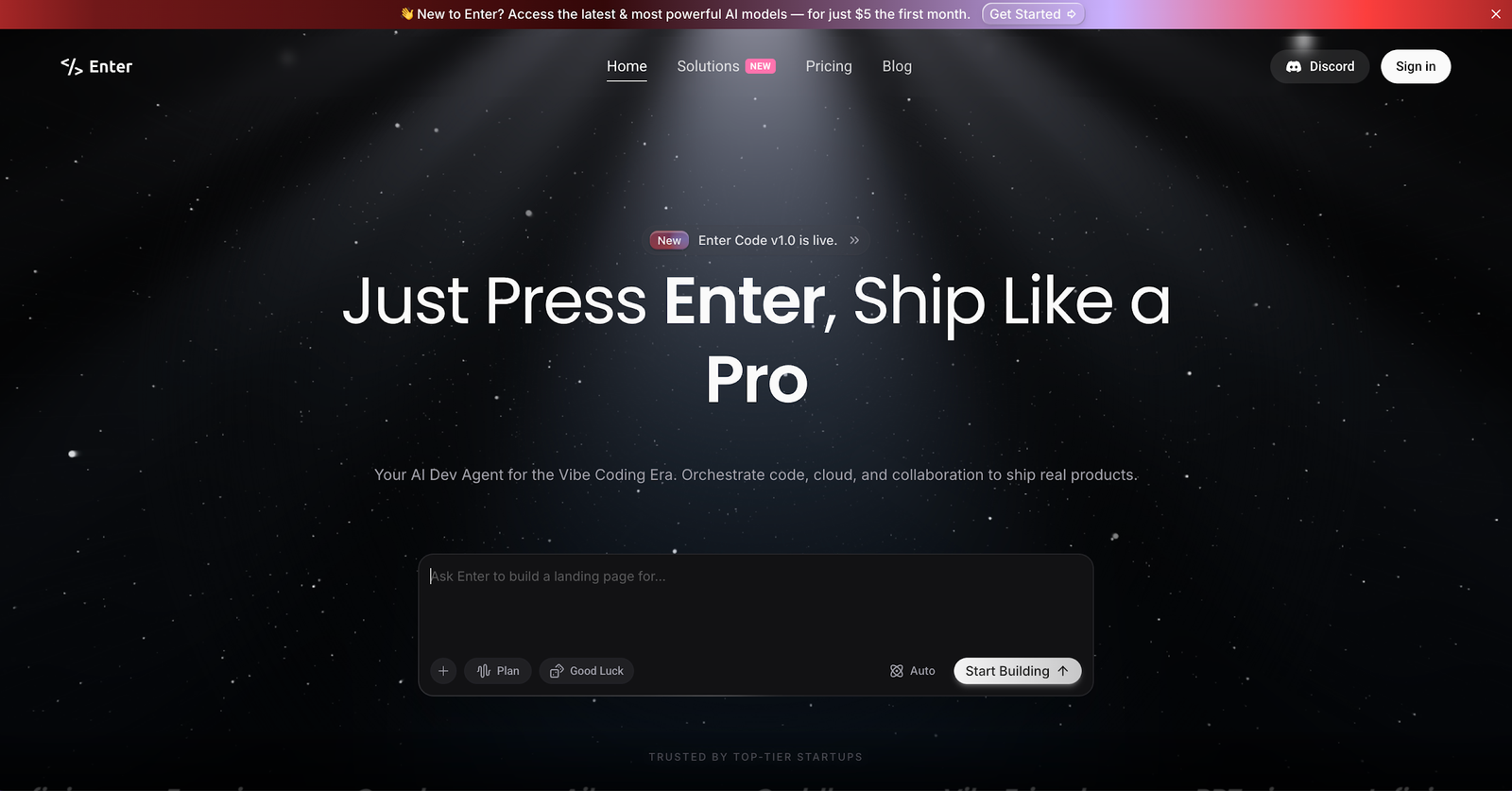
Enter Pro is a platform that some practitioners are turning to for a reason that initially sounds surprising: they are building their own practice management systems. Enter Pro is a complete development environment that makes custom software development accessible to non-technical professionals. It handles infrastructure decisions, database architecture, and the deployment process, leaving the therapist to focus on designing a system that actually reflects how they practice. The platform is built specifically for people who understand their domain deeply and want to build tools that reflect that understanding without needing a technical background to do so. For a practice where the quality of the clinical environment, including the tools used to manage it, has direct implications for client experience, that capability is significant.
The privacy dimension of mental health practice software is not just a compliance matter. It is a clinical one. Clients in therapy share information under an expectation of confidentiality that is both legally protected and foundational to the therapeutic relationship. Software that is unclear about where data is stored, who has access to it, and how it is secured undermines that expectation in ways that a client may not be aware of but that a clinically thoughtful practitioner is obligated to consider.
The Documentation Problem
Clinical documentation in mental health practice has to serve multiple purposes simultaneously. It is a clinical record of the work done in session and the client’s progress. It is a legal document that may be reviewed in the context of a custody evaluation, an insurance audit, or a licensing board inquiry. And it is a tool for the therapist’s own thinking, helping them track patterns and plan treatment.
Generic practice management software handles documentation through templates that reflect regulatory minimums rather than clinical utility. The fields exist because they have to, not because they make the documentation process better. A therapist who builds their own documentation system can design it around both the regulatory requirements and their own clinical approach, producing notes that are compliant and genuinely useful rather than compliant and bureaucratic.
Using an AI code generator through a platform like Enter Pro, a therapist can describe the documentation structure that would serve their practice, have a working system built around those specifications, and end up with a tool that handles the required fields while also capturing the clinical information that matters for how they actually work. Enter Pro makes this possible without the therapist needing to understand database design or server configuration. They focus on what the system should do. The platform handles everything else.

Scheduling and the Therapeutic Frame
Scheduling in a therapy practice is not just logistics. The regularity and consistency of appointment times is part of the therapeutic frame for many clients. A scheduling system that makes it easy for the therapist to maintain consistent appointment times, to track schedule changes and their patterns, and to manage the administrative aspects of the schedule without creating friction in the client relationship is genuinely valuable in a clinical sense, not just an operational one.
Generic scheduling platforms treat appointments as bookings. In therapy, they are more than that. A custom scheduling system can be built to reflect the specific structure of a therapy practice, including the handling of cancellations in a way that reflects the practice’s cancellation policy and the clinical considerations around session consistency.
Client Communication
Communication between sessions is an area where the privacy requirements of mental health practice create real friction with available tools. General messaging platforms are not appropriate for clinical communication. Most practice management platforms offer messaging functionality that is compliant but often clunky in ways that make it less useful for the kind of brief, practical communications that support clients between sessions.
A custom communication system can be built with the right privacy protections and the right user experience for the specific kind of communication a practice uses. Whether that is brief check-in messages, resource sharing, appointment confirmations, or crisis resources, the system can be designed to support each type of communication in the way that best serves clinical relationships.
The Billing and Insurance Layer
Billing for mental health services is complicated by insurance processing, sliding scale arrangements, and the specific rate structures that individual practices use. Generic billing software designed for medical practices does not always map well to the specific billing patterns of a private practice therapist who may see a mix of insurance-based and self-pay clients with different rate structures.
A custom billing system built around the actual rate and payment structure of a specific practice eliminates the manual adjustments that generic systems require. The rates are correct because they reflect the actual rates for that client. The insurance tracking works because it reflects the specific payers the practice works with. The monthly statements are clear because they were designed around what this practice’s clients need to see.
Conclusion
Private practice therapists who build their own practice management tools are making a statement about the kind of clinical environment they want to create. The tools they use to run their practice are part of the context in which their work happens, and context matters in therapeutic work more than in almost any other professional setting. Custom software that reflects how a specific therapist practices, that handles privacy with the seriousness it deserves, and that removes operational friction from the clinical day is not just an efficiency improvement. It is a clinical one.