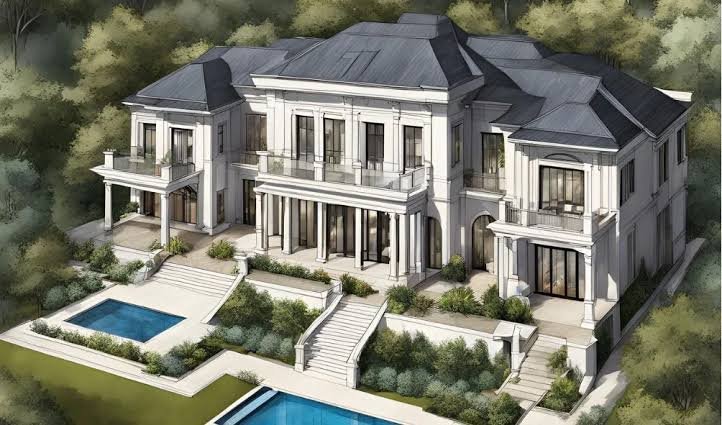
The market doesn’t wait. Buyers today aren’t chasing square footage alone — they want something deliberate, current, maybe even a little inspiring. Reportedly, well over half of prospective buyers put aesthetic appeal and contemporary design near the very top of their checklist. Not a small number. And the stakes stretch beyond personal taste, since design-forward properties tend to hold value more stubbornly once resale time rolls around. Below are eight residential styles reshaping what buyers want — and what sellers can actually command.
1. Modern Minimalist Architecture
Clean lines. Nothing wasted. Younger buyers and empty nesters keep gravitating toward minimalism for exactly those reasons. Space gets used with real intention — open floor plans replace old compartmentalized layouts, while concrete, steel, and oversized glass do most of the aesthetic heavy lifting. Bare walls. Stripped-back palettes. One bold accent piece can inject personality without unraveling the whole composition, though even that’s optional. Upkeep? Far simpler. These homes register as expansive partly because they genuinely are, and partly because visual clutter got stripped away long before you stepped inside.
2. Contemporary Farmhouse Style
Rural warmth colliding with modern convenience — that’s the farmhouse pitch, and it’s stuck around. White or neutral exterior cladding, metal roofing, exposed interior beams, reclaimed wood sitting right alongside sleek fixtures. On paper, it shouldn’t hold together. Yet somehow it does. Roughly 40% of suburban builds over the past three years have borrowed at least some farmhouse elements. Buyers hungry for nostalgia but unwilling to sacrifice energy efficiency or open layouts keep circling back. Wraparound porches and generous patios push usable square footage well beyond the front door — which certainly doesn’t hurt the pitch.
3. Scandinavian Influenced Homes
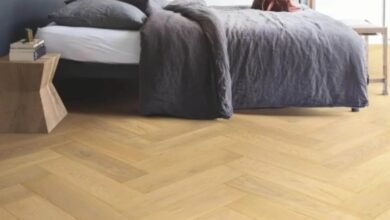
Both North America and Europe have absorbed Scandinavian design into their mainstream. Walk into a well-executed example and something registers immediately — before you’ve thought about why. Oversized windows pull in natural light. Pale wood tones run underfoot. Layered textiles add warmth without crowding anything. Built to last, these homes reward attentive upkeep rather than constant renovation — the craftsmanship is that considered. Stone accents, live plants, and natural wood floors pull the interior back toward whatever’s happening outside. Buyers often respond to that quietness right away; a genuinely restorative quality, and a difficult one to fake.
4. Mid-Century Modern Residences
This style refuses to go stale. Flat roofs. Glass running floor to ceiling. Rooms spilling outward into yards and patios with almost no visual interruption. Design-conscious buyers keep chasing it — what they’re really after is architecture that had an actual point of view. Original builds from 1945 through 1969 fetch real premiums in desirable neighborhoods, particularly when someone restored them with care instead of gutting everything interesting. Contemporary interpretations borrow the defining geometry and honest materials while quietly slipping smart technology and updated energy systems in underneath. Buyers willing to invest in authentic restoration often do so knowing the design carries long-term cachet on its own.
5. Coastal Contemporary Design
Coastal style has escaped the coast. That’s the real story here. Open floor plans, wide decks, shiplap walls, weathered wood — these elements build relaxed, retreat-like environments that resonate far beyond beachfront zip codes. Materials originally chosen for punishing salt air translate surprisingly well to durability in completely different climates. Soft tones. Breezy rooms. Nothing that demands too much of you. Sustainable materials and energy-efficient features show up constantly in this category — partly market pressure, partly because buyers drawn to coastal aesthetics tend to care about environmental footprint. Designers have carried the look successfully across wildly different geographies.
6. Industrial Loft Conversions
Warehouses became homes. Not everywhere, but in enough urban markets to register as a genuine movement. Brick left bare. Concrete beams untouched. Factory-scale windows kept exactly where they were. The strongest conversions treat those original bones as the whole point — layering modern finishes on top rather than burying everything under drywall and pretending the history isn’t there. Ceilings stretch high. Plans stay open. The result feels creative and a little uncompromising, which is precisely what draws buyers to them. Property values in areas anchored by quality loft conversions have climbed roughly 25% over the past five years. What buyers are actually responding to is authenticity. A well-executed loft has character that new construction rarely manages to replicate.
7. Sustainable and Eco-Friendly Homes
Environmental priorities now steer purchasing decisions in ways they simply didn’t a decade ago. Passive houses slash heating and cooling loads dramatically. Net-zero homes produce as much energy as they consume. Some owners report utility reductions of 50% or more — and that compounds fast. Solar panels, green roofs, rainwater harvesting — none of this reads as novelty anymore. These are expected features in purpose-built sustainable construction.
Buyers wanting full control over those systems from day one have found real advantages working with a custom home builder in Indianapolis — weaving preferred energy systems, materials, and design choices in from the ground up beats retrofitting later by a wide margin. Tax incentives and rebates frequently offset initial build costs, which strengthens the financial case alongside the environmental one. Long-term, sustainable design holds up as a practical investment. Not purely an ideological stance.
8. Smart Home Technology Integration
The gap between a smart home and a home with smart gadgets comes down to integration. Purpose-built smart homes embed automation directly into the architectural framework — lighting, climate, security, and entertainment all managed through one platform or a simple voice command. Real-time energy monitoring lets owners pinpoint exactly where consumption spikes and adjust on the fly. There’s also a compelling aging-in-place argument: automated systems reduce physical demands on residents as years accumulate. Homes with genuinely integrated technology command measurable resale premiums over otherwise comparable properties. Buyers increasingly expect it. Sellers increasingly profit from it.
Conclusion
Buyer preferences keep shifting — and architecture follows. Minimalist clarity, farmhouse warmth, Scandinavian calm, mid-century conviction, coastal ease, industrial grit, sustainable ingenuity, smart integration — each style carries distinct trade-offs around maintenance, efficiency, and long-term value. The right fit depends on how you actually live day to day, not just what photographs well in listing shots. Worth keeping in mind, though: homes aligned with current design trends tend to draw broader buyer pools down the road. That’s useful leverage if selling ever enters the picture.