First tooth in? That’s your cue. Plenty of parents figure brushing at home covers it — that a toddler has no business in a dental chair until the permanent teeth show up. Not true. Those early visits do something lasting. Most families have no idea how much that initial appointment — and when it happens — shapes everything down the road.
Signs Your Child Is Ready for Their First Dental Visit
First birthday or first tooth. Whichever lands first, that’s when it starts. A dentist can spot early decay at that stage and show you the right way to clean those tiny teeth. Lots of families push it off. The teeth fall out anyway, right? Wrong — and that assumption genuinely costs kids. Baby teeth aren’t filler. Permanent teeth follow their lead; they shape how a child chews, how they speak, how the jaw develops. Bringing kids in young also takes the mystery out of it. Later appointments feel normal instead of terrifying. Habits like thumb sucking or tongue thrusting? A dentist can catch those early, long before any structural damage sets in.
How Often Should Children Visit the Dentist?
Every six months after that first visit. Standard. Those checkups track development, screen for cavities, apply fluoride where it’s needed. Some kids require more — higher cavity risk, weaker enamel, diets heavy in sugar. Your dentist works out the right schedule for your specific child. Skipping isn’t neutral. You’re missing windows to stop decay before it turns painful and expensive. Six months moves fast. Don’t let it slip past you.
Warning Signs That Your Child Needs Dental Attention
Some things won’t wait for the next scheduled slot. Tooth pain. Dark spots or visible discoloration. Swelling anywhere in the mouth or jaw. Don’t sit on those — they need prompt attention. Persistent bad breath even after regular brushing can point to something deeper. Trouble chewing, sensitivity to heat or cold, consistently favoring one side of the mouth — these may indicate decay or something else entirely. Bleeding gums during brushing also warrant a look. Any of that showing up? Call now. Not at the six-month mark.
The Importance of Establishing Good Oral Habits Early
Dental visits only go so far. Daily habits carry most of the weight. Start a brushing routine before teeth even appear — it gets kids used to the sensation early. Once teeth come in, fluoride toothpaste twice a day. Once two teeth are touching, flossing begins. Kids under six need a parent in the room; older kids still need technique checks far more often than most parents realize. A pediatric dentist in Escondido can walk both child and parent through proper brushing and flossing during routine visits — hands-on, practical guidance that actually sticks. Build these habits young, and they stop feeling like chores. They just become what your kid does.
What to Expect During a Child’s Dental Appointment
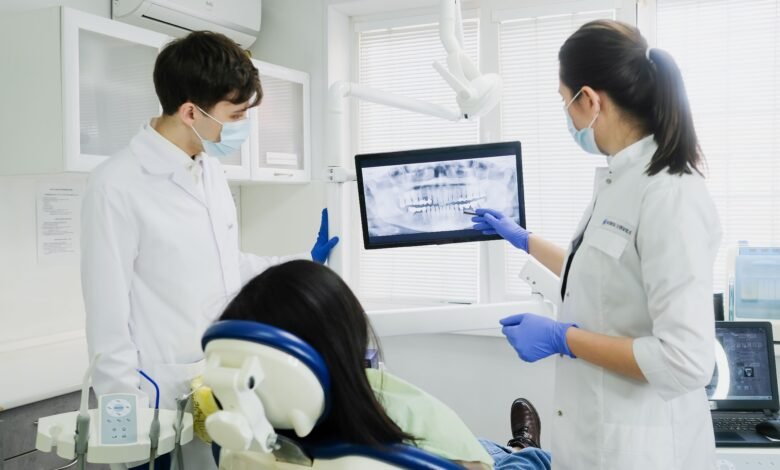
Knowing what’s coming makes kids far less rattled. The dentist checks teeth and gums — cavities, bite problems, early signs of disease. X-rays may come into play; they catch decay between teeth and show how permanent teeth are forming underneath. A cleaning removes plaque and tartar that no toothbrush reaches. Afterward, the dentist walks you through their findings and flags anything that needs follow-up. For most kids, the whole thing is short. Uneventful, even — particularly when problems get caught before they grow into something worse.
Diet and Lifestyle Factors That Impact Dental Health
What goes into your child’s mouth shapes what happens to their teeth. Juice, soda, candy — all of it feeds decay-causing bacteria. Frequent snacking keeps teeth bathed in acid and sugar throughout the day. That accelerates damage considerably. Water as the default drink helps. Limiting sugary foods to mealtimes instead of grazing cuts exposure significantly. Milk and cheese bring calcium — good for enamel, solid snack choices. Talk through your child’s diet with their dentist; eating patterns are often the hidden driver behind cavity risk.
Conclusion
Any teeth at all? Your child needs a dentist. That first appointment should happen by age one. Six-month checkups, solid home habits, a diet that isn’t loaded with sugar — that combination lays the strongest possible foundation for healthy adult teeth. Pain, discoloration, swelling? Don’t wait. Getting ahead of dental problems early prevents the kind of treatment that’s far more involved later. Start now, stay consistent, and you’re making a real investment in your child’s health and confidence for years ahead.