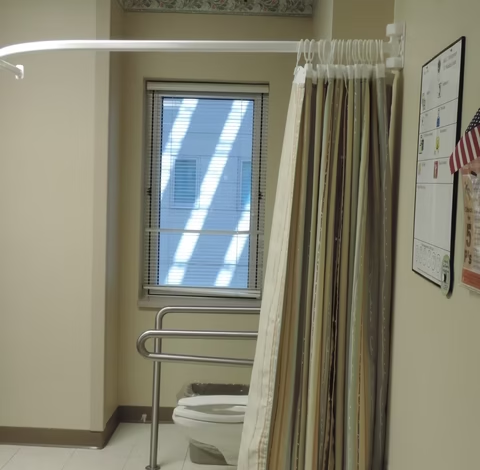
Why Curtain Systems Matter More Than Facilities Realize
Hospital shower curtains may seem like a simple piece of hardware or a small detail at first glance. But in reality, they are a critical part of a hospital’s infection control and daily operations. When facility managers treat them as just a piece of clothing, they are ignoring a larger infrastructure system.
This guide explains how Hospital Shower Curtain Systems work, why they matter in healthcare environments, and how hookless shower curtains improve overall system efficiency. It also explores the key components of a complete curtain system, their role in regulatory compliance, and why system design matters for long-term healthcare operations.
What Are Hospital Shower Curtain Systems?
A hospital shower curtain is not just a fabric name. It is actually a complete Hospital Shower Curtain Systems, which includes the curtain, its track, hanging hooks or rings, and mounting hardware.
This entire setup is completely different from ordinary home curtains. It is specifically designed with the rigorous requirements of the healthcare industry, frequent use, and hospital environments in mind.
Core Components of a Complete Curtain System
A complete and professional shower system consists of the following basic parts:
· Curtain Panel: This is the basic material that provides privacy and water resistance.
· Ceiling Track: The track attached to the ceiling or wall on which the curtain moves.
· Mounting Hardware: The screws and brackets that support the weight of the entire track.
· Ring/Hook Mechanism: The parts that connect the curtain to the track.
The correct balance of all these parts makes the entire system effective.
The Role of Curtain Systems in Hospital Infection Prevention
Shower curtains are among the high-touch surfaces within a hospital that patients, doctors, and cleaning staff touch many times a day. That is why they receive special attention in facility management and hygiene control programs, as they come into direct contact with human hands. If these curtains are neglected in any ward or bathroom, they can undermine the cleanliness standards of the entire facility infrastructure.
A good and modern curtain system strongly supports the hospital’s broader sanitation and hygiene principles. If the design of the entire system is scientifically and practically sound, it becomes extremely easy for cleaning staff to maintain and wash it with disinfectant chemicals. This system-level convenience increases the daily efficiency of staff, which ultimately helps to make the hospital environment safer and more reliable for both patients and medical staff.
How Curtain Design Impacts Cross-Contamination Risk
The material design of a curtain determines whether or not it will trap germs. Hooks, small holes, and intricate seams in traditional curtains are places that hands or disinfectant sprays cannot easily reach during cleaning.
When there are too many intricacies or cracks in the design, the risk of dirt accumulating increases. Therefore, keeping the curtain system simple and streamlined is an important principle of facility design.
Regulatory and Compliance Considerations for Healthcare Facilities
For hospital administrators and procurement officers, selecting the right Hospital Shower Curtain Systems is not just a matter of cleanliness but also a matter of legal compliance.
The condition of bathroom hardware is closely monitored during regular hospital audits and Environment of Care reviews. A faulty or broken system can pose challenges for a hospital in an audit.
Documentation and Accountability in Curtain Maintenance
Accountability is the most important element in any professional maintenance system. Cleaning shower curtains within hospitals is not just considered a daily task, but is regularly recorded. These records include curtain changeout times, weekly cleaning schedules, and a detailed history of hardware inspections.
All of these documents form an integral part of a hospital’s facility management system. These paper and digital records are tangible evidence that the hospital management is operating its entire bathroom infrastructure in accordance with prevailing government regulations and high standards of hygiene. Whenever an external audit or inspection is conducted, this documentation plays a fundamental role in proving the hospital’s performance and adherence to prevailing regulations.
Where Hookless Shower Curtains Fit Within the Larger System
In the structure of the entire facility, Hookless Shower Curtains are not a separate or common product, but rather a system evolution of the entire hospital curtain system. It can be understood as part of a larger infrastructure from the following points:
- Modern replacement:This system replaces traditional hardware and transforms the entire ceiling track into a single, integrated unit
- Elimination of defects:It eliminates all the design flaws of the old hook and ring mechanism, making the system simpler and more streamlined
- Infrastructure upgrade:This is a very logical and easy way to modernize the overall structure of the hospital
Why Hardware Design Is a Critical System Variable
The overall performance, durability, and daily maintenance of an entire curtain system depend entirely on its hardware design. If the hardware of a system is structurally complex, its foundation will be weak and it will fail repeatedly. The importance of this system-level variable is illustrated by the following points:
· Structural Reliability: The design of the hardware determines how long the system will last despite being pulled hundreds of times daily. Traditional complex parts wear out quickly due to repeated friction.
· Elimination of defects: Hookless hardware reduces the number of moving parts. When there are no separate hooks, springs, or delicate hinges in the system, the chance of hardware failure or breakage is eliminated.
· Durable Solution for Facility Management: This innovative design provides facility managers with a robust and stable option that continues to operate smoothly for a long time without any additional maintenance. This long-term operational life strengthens the entire hospital infrastructure.
Operational Efficiency: Staff Time, Maintenance, and Workflow
Saving time is a major challenge for hospital Environmental Services (EVS) staff. A curtain system that can be changed in minutes improves staff’s daily workflow.
When curtain changes take less time, labor costs are reduced. This operational advantage of Healthcare Shower Curtains in the healthcare industry keeps hospital budgets balanced.
Procurement Perspective: Evaluating Curtain Systems for Hospitals
Purchasing teams should consider the following objective factors when selecting a new curtain system:
- Retrofit Compatibility:Can the new system easily fit into the hospital’s existing tracks?
- Long-term Costs:What are the lifetime costs of the hardware and the costs of frequent replacement?
- Regulatory Compliance:Does the system meet the hospital’s internal hygiene audit standards?
- Operational Efficiency:How easy is it for staff to maintain and replace?
Long-Term Care and Outpatient Facility Considerations
Curtain system requirements vary across different hospital departments:
- Acute Care:Curtains are used extensively, requiring robust hardware
- Outpatient Clinics:Quick turnaround and simple design are preferred
- Long-Term Care:Curtains that are similar to home environments and durable are important in these settings
Conclusion: Building a Smarter, Safer Curtain System
In short, a hospital shower curtain is not just a fixture, but a fundamental part of a hospital’s infrastructure and compliance. Choosing the right curtain system improves infection prevention, operational efficiency, regulatory compliance, and long-term maintenance performance.
Hookless Shower Curtains are a great and logical choice to make this entire system robust and modern. For facility managers, using On the Right Track Hookless Shower Curtains is the best way to transform the entire bathroom infrastructure into a safe and smart system.
Frequently Asked Questions
1. What is included in a complete hospital shower curtain system?
A complete system includes the ceiling track, the mounting hardware that supports it, the ring or hook mechanism that runs the curtain, and the curtain panel itself. All of these works together as a unit.
2. How do healthcare facilities determine curtain replacement schedules?
Hospitals develop a regular curtain change schedule in accordance with their internal policies, facility management records, and Environment of Care guidelines to meet audit criteria.
3. Are hospital shower curtain systems different from standard commercial curtains?
Yes, hospital systems are built with the rigorous healthcare environment, frequent cleaning, specific track designs, and facility regulations in mind, which sets them apart from typical commercial curtains.
4. What should procurement teams verify before upgrading curtain hardware?
Purchasing teams should first look at whether the new hardware matches their existing tracks, and how much lower its lifetime maintenance cost is compared to traditional systems.
5. Do different hospital departments require different curtain system specifications?
Yes, in settings such as ICUs or acute care where there is a high patient flow, more durable and quickly replaceable systems are needed, while in day clinics the requirements may be different.