AI-Driven Optimization in Smart Packaging: How Machine Learning and Automated Converting Systems Shape the Future of Manufacturing

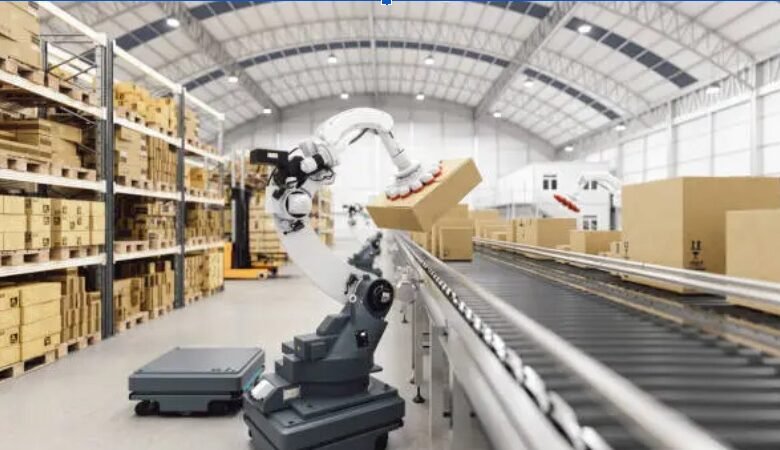
Global manufacturing is undergoing a profound transformation as factories accelerate their transition toward Industry 4.0 and intelligent automation.
At the forefront of this evolution, artificial intelligence and machine learning are redefining traditional printing and packaging machinery.
No longer restricted to rigid, predefined cycles, modern production lines are evolving into adaptive systems capable of real-time optimization.
Understanding this shift requires examining how advanced computational models merge with heavy-duty physical engineering.
The Intersection of Artificial Intelligence and Packaging Machinery
Moving Beyond Traditional Programmable Logic Controllers (PLCs)
When deploying machine learning models and smart optimization algorithms on the factory floor, software efficiency is only half the equation.
To execute high-speed adjustments without mechanical lag, industrial integrators increasingly rely on advanced flexible packaging and printing automation solutions—such as the specialized converting and bag-making machinery engineered by industry veterans like Kete Group—to bridge the gap between digital AI logic and physical production output.
Traditional programmable logic controllers handle routine logic, but modern smart manufacturing demands edge-integrated hardware capable of executing complex AI inferences instantaneously.
Data-Driven Precision in Converting Lines
High-speed converting lines generate massive streams of telemetry data from every motor, web guide, and sealing station.
Machine learning algorithms ingest this continuous data stream to predict mechanical wear and dynamically adjust web tension before faults occur.
This data-driven approach significantly minimizes material waste, aligning with broader industrial goals of efficiency and sustainability.
Core Automation Technologies Powering Smart Converting Lines
| Production Paradigm: Traditional Mechanical Control vs. AI-Driven Smart Automation | Response Latency | Error Correction | Hardware Adaptability |
| Traditional Mechanical Control | Moderate to Slow (Dependent on fixed cycle times) | Reactive (Requires manual intervention after defects appear) | Rigid (Limited to predefined, static product runs) |
| AI-Driven Smart Automation | Instantaneous (Sub-millisecond edge processing) | Proactive (Self-corrects in real time via machine learning) | Highly Flexible (Easily adapts to new SKU formats dynamically) |
AI-Enhanced Computer Vision for Defect Detection
- Real-time inspection: High-speed camera arrays scan printed films for color variance and blemishes at production line speeds.
- Edge inference: Deep learning models process visual data locally to identify micro-defects instantly.
- Automated rejection: Defective batches are flagged and separated without slowing down upstream machinery.
Automated Tension and Registration Control
Multi-layer flexible packaging materials require strict registration to prevent misalignment during high-speed sealing and cutting.
AI-powered optical sensors monitor substrate elongation and automatically modulate drive motors to maintain perfect alignment.
This continuous closed-loop control eliminates operator guesswork and ensures consistent product quality across massive manufacturing runs.
Practical Integration: Overcoming Technical Bottlenecks on the Factory Floor
Edge Computing and Real-Time Feedback Loops
Cloud-based analytics are powerful, but relying solely on remote servers introduces unacceptable latency for high-speed manufacturing lines.
Deploying edge computing nodes directly on the packaging floor ensures that AI models process sensor data locally within milliseconds.
This immediate feedback loop allows actuators to correct mechanical drift instantly, safeguarding high-speed production integrity.
Hardware Reliability and Power Stability
Implementing smart manufacturing technologies requires a rock-solid electrical foundation to prevent sudden data corruption or controller crashes.
Engineers must pair AI controllers with regulated power supplies and noise-filtered sensor arrays to withstand heavy factory electrical interference.
Just as developers track trends in artificial intelligence software architecture, physical engineers must ensure their hardware infrastructure remains resilient under constant industrial stress.
The Future of Autonomous Industrial Ecosystems
As smart manufacturing continues to mature, the boundary between software algorithms and heavy mechanical systems will continue to dissolve.
Ultimately, the convergence of machine intelligence and heavy industrial machinery exemplifies the broader evolution of modernartificial intelligence applications in enterprise settings.
By unifying edge data analytics with robust manufacturing infrastructure, industrial leaders can achieve unprecedented levels of operational autonomy, predictive maintenance, and resource efficiency.
The future belongs to factories that successfully merge intelligent code with uncompromising mechanical durability.