Introduction: Tim McGrath’s Inspiring Journey
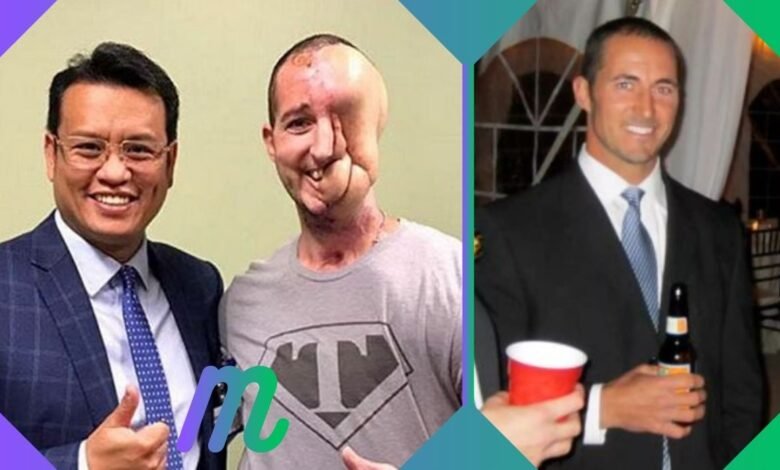
Tim McGrath’s story is a powerful example of courage, resilience, and hope. A Michigan man, Tim faced a life-altering challenge when he was diagnosed with an extremely rare cancer called Synovial Sarcoma, which ultimately resulted in the loss of nearly half of his face. His journey is not just a tale of survival; it is a remarkable story of human determination, medical innovation, and the strength of family and community support. In this article, we will explore every aspect of Tim McGrath face journey—from his initial diagnosis to the innovative reconstructive surgeries that allowed him to regain his life, confidence, and health.
Quick Bio Information
Tim McGrath is a Michigan resident who battled a rare cancer called Synovial Sarcoma. Diagnosed in 2014, he lost nearly half of his face due to tumor removal surgery. Tim initially pursued alternative treatments before undergoing surgery and later five reconstructive procedures with Dr. Kongkrit Chaiyasate. He is now cancer-free and continues to regain strength while inspiring others through his story. He credits his family, friends, and medical team for his successful recovery. Tim emphasizes that he is more than his exterior and shares his journey to inspire hope, resilience, and gratitude.
Early Signs: When Symptoms First Appeared
Tim first noticed troubling signs in early 2014 when he experienced persistent jaw pain. Like many, he initially thought it was a minor dental or sinus issue, but the discomfort did not subside. After consulting medical professionals, Tim underwent a biopsy. Due to the rarity of his condition, his sample was sent to a specialized laboratory for thorough analysis. Initially, doctors suggested the possibility of a pituitary gland tumor, which is typically benign. However, Tim’s diagnosis would soon take a far more serious turn.
The Rare Diagnosis: Understanding Synovial Sarcoma
The final diagnosis was Synovial Sarcoma, a rare soft tissue cancer that affects only 1-3 people per million annually. This type of cancer commonly occurs in areas like the neck or legs and can grow aggressively if not treated promptly. For Tim, the tumor was located near his jaw, making it both painful and dangerous. Synovial Sarcoma’s rarity contributed to the initial misdiagnosis, highlighting the importance of specialized medical evaluation. The diagnosis was a shock, yet it marked the beginning of a challenging but ultimately inspiring journey.
Initial Treatments: Exploring Non-Surgical Options
At first, Tim chose to explore non-surgical treatments. He was health-conscious and wanted to avoid invasive procedures, so he focused on naturopathic approaches. These included a strict diet, supplement protocols, energy healing, and psychological therapies aimed at supporting the body’s resilience. While these methods were promising for his overall well-being, the tumor continued to grow over 18 months. Despite his dedication and discipline, the cancer progressed, highlighting the limitations of alternative treatments in treating aggressive tumors like Synovial Sarcoma.
Facing the Reality: Surgery Becomes Necessary
By mid-2015, the tumor had grown significantly, causing severe complications. Tim required a feeding tube and a tracheotomy to manage basic bodily functions. Doctors emphasized that surgery was now unavoidable, despite the risks involved. The procedure was expected to be extremely complex, potentially resulting in the loss of an eye, an ear, and parts of his jaw. This moment marked a turning point in Tim’s life, forcing him to confront the reality of his condition while preparing for a grueling and transformative surgical process.
The 30-Hour Surgery: Worst-Case Scenario Becomes Reality
In October 2015, Tim underwent a 30-hour surgery to remove the tumor. He had hoped that earlier treatments and some tumor shrinkage from radiation would make the procedure straightforward, allowing him to retain more of his facial structure. Unfortunately, the worst-case scenario unfolded. Tim awoke to find that he had lost nearly half of his face, including his eye, ear, and jaw structures. While the surgery successfully removed the cancerous mass, the physical and emotional impact of such extensive loss was overwhelming.
Reconstruction Challenges: Setbacks and Body Rejection
Tim’s journey did not end with tumor removal. The next step—reconstructing his face—proved to be equally challenging. Initial reconstruction attempts were rejected by his body, and prior surgical scars limited the options for further procedures. Tim was left with exposed tissue, which made everyday functions like eating, speaking, and drinking difficult. The setbacks were emotionally taxing, but Tim remained determined to find a solution. These challenges highlighted both the complexity of facial reconstruction after aggressive cancer treatment and the resilience required to endure repeated medical procedures.
Turning Point: Meeting Dr. Kongkrit Chaiyasate
In 2016, Tim switched to Dr. Kongkrit Chaiyasate, a skilled reconstructive surgeon specializing in complex facial surgeries. Dr. Chaiyasate developed a customized plan using skin and muscle grafts from Tim’s leg and forearm, along with a flap from his forehead. This innovative approach allowed for better healing and integration with Tim’s body. Over the course of five successful surgeries, none were rejected, marking a dramatic improvement in both function and appearance. Dr. Chaiyasate’s expertise became a crucial factor in Tim’s ongoing recovery and quality of life.
Recovery and Daily Life: Regaining Strength
After successful reconstruction, Tim focused on rehabilitation. He worked to regain the ability to eat normally, speak clearly, and drink liquids without assistance. Recovery was gradual, emphasizing the need for patience and persistence. Family support played an essential role. Tim’s mother acted as his at-home nurse, handling wound care, IVs, and feeding, while his father remained a steadfast presence throughout the ordeal. Siblings and friends also contributed through emotional support, fundraising, and community engagement. This support system was critical in helping Tim rebuild both his physical health and mental well-being.
Lessons Learned: Beyond Appearance
Tim’s journey taught him that identity is not defined by outward appearance. Despite the loss of facial features, he emphasizes that he is more than just his exterior. His experience has inspired a deeper appreciation for life, health, and relationships. Tim now shares his story to encourage others facing medical challenges, hoping to inspire gratitude and resilience. His reflections highlight the emotional and psychological growth that can arise from surviving a life-threatening illness and undergoing transformative surgeries.
Life Today: Cancer-Free and Looking Ahead
Today, Tim is cancer-free and continues to focus on regaining full strength. Reconstruction remains a work in progress, with additional procedures planned to further restore function and appearance. Beyond the physical recovery, Tim is embracing life with renewed energy and perspective. He emphasizes the importance of enjoying simple pleasures, maintaining strong relationships, and appreciating each day. His journey continues to inspire countless individuals facing their own medical and personal challenges.
Final Thoughts
Tim McGrath’s story is more than a tale of medical triumph; it is a story of human resilience, hope, and courage. From his rare cancer diagnosis to multiple surgeries, setbacks, and eventual recovery, Tim’s journey illustrates the power of determination, family support, and expert medical care. His message is clear: true strength comes from within, and life’s challenges can reveal the depth of human potential. Tim McGrath face story serves as a beacon of inspiration, reminding us to value our health, cherish our relationships, and persevere through adversity.
FAQs About Tim McGrath Face
Who Is Tim McGrath?
Tim McGrath is a Michigan man diagnosed with the rare cancer Synovial Sarcoma. He lost nearly half of his face during treatment and has undergone multiple reconstructive surgeries to regain function and appearance.
What Is Synovial Sarcoma?
Synovial Sarcoma is an extremely rare soft tissue cancer affecting 1-3 people per million each year. It commonly appears in the neck or legs but can occur near facial structures, as in Tim’s case.
How Did Tim Rebuild His Face?
Tim underwent five successful reconstructive surgeries with Dr. Kongkrit Chaiyasate, using skin and muscle grafts from his leg, forearm, and forehead flap.
Is Tim McGrath Cancer-Free?
Yes, Tim is now fully cancer-free and continues to regain strength and functionality through rehabilitation and planned future reconstructive procedures.
How Did Family Support Impact Tim’s Journey?
Tim’s family played a vital role, from his mother’s care at home to emotional support from his father, siblings, and friends, which greatly contributed to his recovery.
What Lessons Did Tim Learn from His Experience?
Tim learned that identity goes beyond physical appearance. He emphasizes resilience, gratitude, and the importance of appreciating life’s simple joys.
Why Is Tim Sharing His Story?
Tim shares his journey to inspire others, raise awareness about rare cancers, and encourage people to face challenges with hope and perseverance.
People Also Read: Zulock Case: Georgia Couple Sentenced For Abusing Adopted Children