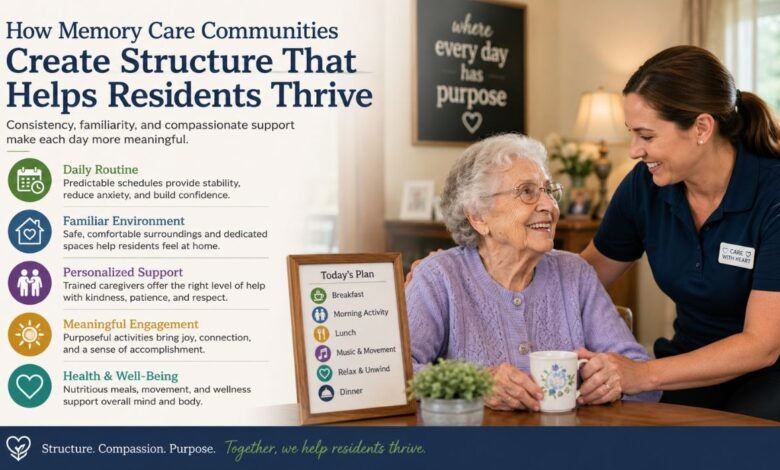
Caring for individuals with memory impairments like Alzheimer’s disease or other forms of dementia requires more than just supervision, it demands a thoughtfully crafted environment where predictability becomes a source of comfort. Memory care communities recognize that cognitive decline often brings confusion, anxiety, and a disorienting sense of being lost in once-familiar surroundings. Through carefully designed daily structures, these specialized facilities help individuals maintain their dignity, ease their stress, and discover moments of genuine joy despite the challenges they face. The right balance of consistency, meaningful engagement, and adaptability allows residents to move through their days with greater confidence, even when memory itself becomes unreliable.
The Foundation of Routine-Based Care
Memory care communities ground their programming in consistent daily schedules that offer residents something increasingly rare: a predictable rhythm they can come to recognize and trust. Mealtimes, activities, and rest periods happen at the same times each day, creating patterns that residents can internalize even as their ability to recall specifics fades. This repetition doesn’t just fill time, it actively reduces the anxiety that comes with not knowing what happens next. Staff members employ visual cues, gentle reminders, and patient guidance to help residents transition smoothly from one part of their day to another.
Environmental Design That Supports Navigation
The physical layout of memory care communities does far more than look pleasant, it actively helps residents feel oriented and secure as they navigate their daily routines. These facilities incorporate specific design elements intended to compensate for cognitive challenges while supporting whatever independence remains. Color-coded hallways, clear signage combining text with pictures, and strategically placed familiar landmarks guide residents toward common areas and help them locate their own rooms. Circular or looped walking paths accommodate the urge to wander that many people with dementia experience, transforming potentially dangerous impulses into safe, purposeful movement.
Meaningful Activities and Social Engagement
Structured programming in memory care goes well beyond basic routines to include purposeful activities that keep minds engaged and hearts connected. Quality memory care communities understand that one, size-fits-all programming doesn’t work when cognitive abilities vary so widely among residents. Morning might bring gentle chair yoga or walking groups that establish the day’s rhythm while promoting physical health. Afternoons could feature music therapy, art projects, reminiscence sessions, or sensory experiences designed to reach residents wherever they currently function best.
Personalized Care Plans Within Structured Frameworks
While consistency forms the backbone of effective memory care, the best communities understand that structure shouldn’t mean treating everyone exactly the same. Each resident brings unique preferences, personal histories, and varying capabilities that deserve recognition and respect. Care teams develop individualized plans that work within the established daily structure while honoring what makes each person different. Some residents need more sleep and do better with later wake times, while others feel most alert and engaged during morning hours. For seniors transitioning from active independent living in Sun City Center, FL to memory care settings, dietary preferences, cultural practices, and lifelong habits get woven into the structured framework whenever possible. This personalization extends to activities as well, with staff offering choices and alternatives that maintain routine while still respecting individual autonomy. Regular assessments allow care teams to adjust these structures as cognitive abilities change, ensuring the environment continues to support rather than frustrate residents as their condition naturally evolves.
Family Involvement and Communication
Memory care communities know that family members don’t stop being essential just because a loved one needs specialized care, in fact, their involvement becomes even more important. Quality facilities maintain open lines of communication, providing regular updates about daily routines, participation in activities, and any changes in cognitive or physical health that families should know about. Many communities schedule consistent visitation times that align with periods when residents typically feel most alert and engaged, making the most of precious family interactions. Staff members take time to educate families about why maintaining structure matters, even during visits, helping loved ones understand how consistency genuinely supports cognitive function rather than just making life easier for caregivers.
Conclusion
The structured environments that memory care communities carefully craft serve as essential anchors for individuals navigating the confusion that comes with cognitive decline. Through consistent routines, thoughtfully designed spaces, meaningful activities, personalized care plans, and genuine family integration, these specialized facilities provide the stability that allows residents to experience quality of life despite significant challenges. Structure in memory care isn’t about rigidity or control, it’s about creating a supportive framework that honors dignity, eases anxiety, and maximizes whatever joy and purpose remain possible. When memory itself becomes unreliable, the external structure provided by trained professionals in purposefully designed environments becomes something residents can depend on, building their remaining days around greater peace and meaning.