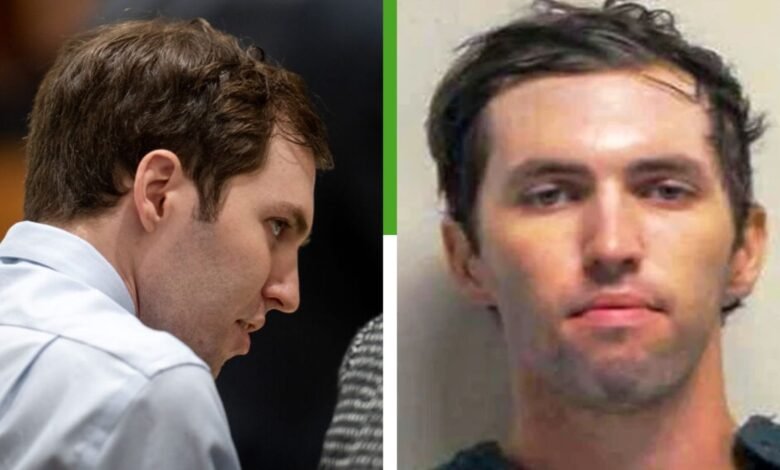
Introduction: What Is The Charlie Kirk Shooter Case About?
The Charlie Kirk Shooter Case has quickly become one of the most closely watched criminal cases in the United States. It combines a high-profile victim, serious legal stakes, and ongoing debates about evidence, media influence, and fairness in the courtroom. At the center of the case is Charlie Kirk, a well-known political figure whose death shocked supporters and drew nationwide attention.
The case is not just about a tragic event. It also highlights how modern legal battles unfold in the public eye, where courtroom decisions, digital evidence, and media coverage all play critical roles. As new developments continue to emerge, many readers are asking the same questions: What evidence exists? Why is the defense asking for delays? And what happens next?
This article offers a complete, easy-to-understand guide to the Charlie Kirk Shooter case, covering key updates, evidence, legal arguments, and what the future may hold.
Quick Bio Information: Charlie Kirk Shooter Case
Case Name: Charlie Kirk Shooter Case
Victim: Charlie Kirk
Accused: Tyler Robinson
Age Of Accused: 23
Incident Date: September 10, 2025
Location: Utah Valley University
Type Of Event: Outdoor Rally
Charge: Murder
Penalty Sought: Death Penalty
Court: Utah County District Court
Judge: Tony Graf Jr.
Key Issue: Preliminary Hearing Delay
Evidence Type: Confessions
Evidence Type: Video Footage
Evidence Type: Physical Evidence
Evidence Type: DNA Analysis
Defense Concern: Lack Of Evidence Access
Prosecution Claim: Probable Cause Established
Media Issue: Courtroom Camera Access
Next Key Date: May 8, 2026
Who Is The Suspect? A Look At Tyler Robinson
The accused in the Charlie Kirk Shooter Case is Tyler Robinson, a 23-year-old facing extremely serious charges. Prosecutors allege that Robinson carried out the fatal shooting and are pursuing the death penalty, making this a capital case with the highest possible legal consequences.
While limited personal background details have been publicly confirmed, Robinson’s role in the case has been defined by the evidence presented so far. His alleged actions before, during, and after the incident form the foundation of the prosecution’s argument. At the same time, his defense team is actively challenging how the case is being handled, especially regarding access to evidence and media coverage.
Timeline Of Events: From The Shooting To The Latest Court Hearing
The timeline of the Charlie Kirk Shooter Case helps clarify how events have unfolded. The shooting occurred on September 10, 2025, during an outdoor rally at Utah Valley University. Authorities quickly began investigating, and Robinson later turned himself in.
In the months that followed, prosecutors gathered evidence and prepared charges. By April 2026, the case reached a critical stage with court hearings focused on whether a preliminary hearing should proceed as scheduled. The judge, Tony Graf Jr., has delayed a final decision until May 8, 2026, adding another key moment to the timeline.
What Happened On The Day Of The Shooting?
On the day of the incident, a public rally brought together attendees, including Charlie Kirk. According to prosecutors, the suspect arrived early in the morning and remained in the area leading up to the shooting.
The attack itself was sudden and deadly, causing immediate panic and drawing a rapid law enforcement response. Authorities later secured the scene, collected evidence, and began piecing together what happened. The fact that the event occurred in a public setting contributed to the large amount of witness accounts and video footage now being used in the case.
Key Evidence In The Charlie Kirk Shooter Case
Evidence plays a central role in determining what happens next. In the Charlie Kirk Shooter Case, prosecutors have highlighted four main categories of evidence: confessions, video footage, physical items, and DNA analysis.
Each type of evidence supports the others, creating a broader narrative. Confessions suggest intent, video footage places the suspect at the scene, physical evidence connects him to the weapon, and DNA analysis aims to confirm those links scientifically. Together, these elements form the basis of the prosecution’s claim that there is enough evidence to move forward.
Confessions And Messages: What Did The Suspect Say?
One of the most striking aspects of the case is the number of alleged confessions. Prosecutors claim that Robinson admitted to the shooting in multiple ways, including a written note, private text messages, and statements shared in a messaging app.
These communications reportedly include direct admissions of responsibility and references to the event. Prosecutors argue that such statements are powerful evidence, especially when combined with other findings. However, the defense may challenge how these statements were obtained and interpreted, making this a key area to watch.
The Role Of DNA Evidence And Why It Matters
DNA evidence has become one of the most debated elements in the Charlie Kirk Shooter Case. According to prosecutors, forensic testing links Robinson to the rifle used in the shooting, as well as other items found at the scene.
However, the defense argues that they have not received the full DNA data needed to review these findings properly. Without access to the underlying information, they claim they cannot effectively question expert witnesses or challenge the results. This disagreement is a major reason behind the request to delay the preliminary hearing.
Defense Vs. Prosecution: The Legal Battle Explained
The legal conflict in this case reflects two very different perspectives. Prosecutors believe they have already met the legal standard required to proceed. They argue that a preliminary hearing only requires probable cause, not a complete presentation of all evidence.
The defense, on the other hand, insists that fairness requires more time and full access to all materials. They argue that moving forward without this preparation would disadvantage the accused. This clash between speed and thoroughness is common in high-stakes cases, but here it carries especially serious consequences.
Request To Delay The Preliminary Hearing: What’s The Issue?
The request to delay the preliminary hearing is one of the most important recent developments. The defense has asked for several months to review evidence, consult experts, and prepare their case.
Prosecutors oppose this delay, saying it is unnecessary and could slow the path to justice. The judge has not yet made a final decision, leaving both sides waiting for a ruling that could shape the timeline of the entire case.
Media Coverage Controversy: Should Cameras Be Allowed In Court?
Another major issue is whether cameras should be allowed in the courtroom. The defense argues that media coverage has been sensationalized and could influence potential jurors.
They point to reports analyzing the suspect’s behavior and highlighting certain pieces of evidence before they are presented in court. According to the defense, this kind of coverage risks creating bias and undermining the fairness of the trial.
How Media Coverage Could Impact The Jury
The concern about media influence is not just theoretical. Studies and surveys presented in court suggest that public opinion can be shaped by repeated exposure to certain narratives.
In this case, a survey found that a majority of respondents had positive views of Charlie Kirk, while a smaller portion held negative opinions. The defense argues that this imbalance, combined with media coverage, could make it difficult to find an impartial jury.
What Happens Next In The Charlie Kirk Shooter Case?
All eyes are now on the judge’s upcoming decision. On May 8, 2026, the court is expected to rule on both the request to delay the preliminary hearing and the issue of media access.
If the hearing proceeds as planned, the case will move forward quickly. If it is delayed, the defense will gain more time to prepare, potentially changing how the evidence is presented and challenged.
Possible Legal Outcomes And What They Mean
The Charlie Kirk Shooter Case could lead to several possible outcomes. If the case proceeds to trial and the defendant is found guilty, the death penalty remains a possibility due to the severity of the charges.
Other outcomes could include plea negotiations or adjustments to charges, depending on how the evidence is evaluated. Each scenario carries significant legal and social implications, making this a case that will likely remain in the spotlight.
Why This Case Is Getting So Much Attention
This case has attracted widespread attention for several reasons. Charlie Kirk’s role as a co-founder of Turning Point USA made him a prominent public figure.
The combination of political context, serious criminal charges, and ongoing legal debates has made the case especially newsworthy. It also reflects broader conversations about justice, media influence, and the role of evidence in modern trials.
Final Thoughts: Key Takeaways From The Case So Far
The Charlie Kirk Shooter Case continues to develop, with critical decisions still ahead. At its core, the case highlights the balance between ensuring a fair trial and moving the legal process forward efficiently.
The evidence presented so far is extensive, but disputes over access and interpretation remain unresolved. At the same time, questions about media influence add another layer of complexity. As the court prepares to rule on key issues, the outcome will shape not only this case but also broader discussions about justice in high-profile situations.
FAQs About Charlie Kirk Shooter
What Is The Charlie Kirk Shooter Case About?
The case involves the fatal shooting of Charlie Kirk at a public rally and the prosecution of Tyler Robinson, who is accused of carrying out the attack.
Who Is Tyler Robinson?
Tyler Robinson is the 23-year-old suspect charged with murder in the case and currently facing the possibility of the death penalty.
What Evidence Has Been Presented So Far?
Prosecutors have outlined confessions, video footage, physical evidence, and DNA analysis linking the suspect to the crime.
Why Does The Defense Want To Delay The Hearing?
The defense argues they need more time to review DNA evidence and prepare expert analysis before proceeding.
What Is A Preliminary Hearing?
A preliminary hearing determines whether there is enough evidence, known as probable cause, for the case to move forward to trial.
Could Media Coverage Affect The Trial?
Yes, both sides have discussed how media reports could influence public opinion and potentially impact jury selection.
When Will The Next Decision Be Made?
The judge is expected to issue a ruling on May 8, 2026, regarding the hearing schedule and media access.
What Happens If The Case Goes To Trial?
If the case proceeds to trial and results in a conviction, the accused could face severe penalties, including the death penalty.
Please Read Also: Paula Profit: The Untold Story Of Charlie Sheen’s Former Partner And Independent Businesswoman